Skip to content

Custom metal components

CNC machined & custom metal components from India.

Source CNC machined components and custom metal parts from India through BGS and its manufacturing partners.

Send your drawing, material, quantity and inspection requirements. BGS coordinates source review, quotations and samples for CNC turning, CNC milling, fabrication and casting.

Have a model or sample instead? Share what you have and we’ll clarify the next step.

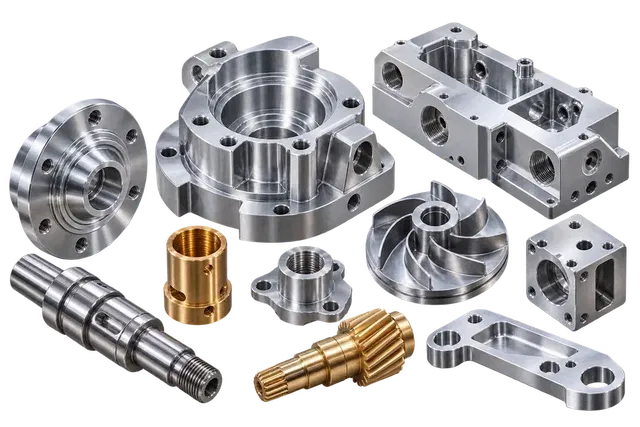
Illustrative CNC machined metal housings flanges shafts and fittings
Geometry · Material · Process · Acceptance

Planning prototypes or smaller batches?

Include first-batch and expected repeat quantities in the drawing brief so manufacturers can review the process and tooling assumptions.

Choose the route around the part

CNC machining, fabrication
and casting options.

Part geometry, material, quantity, tooling and critical features influence the manufacturing route. BGS helps coordinate a like-for-like source review.

Illustrative turned and milled shafts housings flanges and metal blocks

Drawing-led turned and milled parts

CNC turned & milled components

Shafts, bushes, housings, blocks and mounting components with defined features, threads and mating requirements.

Turning · Milling · Secondary operations

RFQ inputs for this option

Include the material grade, critical dimensions, datum scheme, threads and surface requirements.

Illustrative sheet metal brackets enclosures panels and fabricated parts

Cut, bent and joined components

Sheet metal & fabrication

Brackets, panels, enclosures and welded assemblies evaluated around sheet thickness, bend geometry, joining and finish.

Cutting · Bending · Welding · Assembly

RFQ inputs for this option

Include thickness, bend requirements, flat pattern if available, weld details, hardware and cosmetic surfaces.

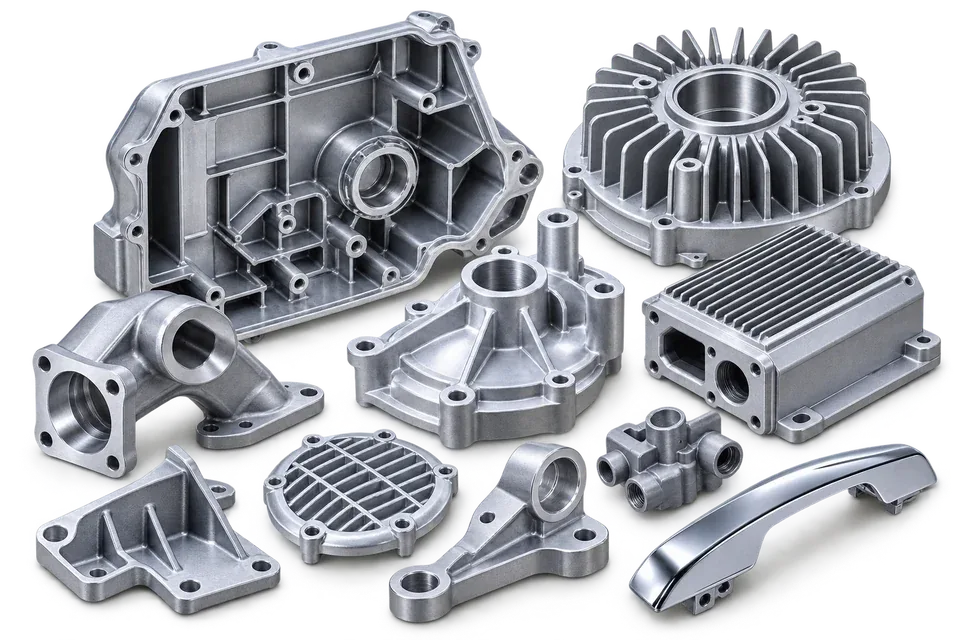
Illustrative cast housings brackets and finned metal components

Process and tooling reviewed together

Casting & forming

Selected cast or formed parts where geometry, material and volume support the proposed route. Secondary machining and finishing are assessed with the primary process.

Casting · Forming · Tooling review

RFQ inputs for this option

Include the intended process if fixed, model, material, tooling status, volume and features requiring machining.

Compare routes against the same drawing

Machining

Identify material grade, datums, fits, threads and critical tolerances.

Ask for the proposed machining and inspection basis.

Fabrication

Define sheet or section, bends, joining, hardware and finish.

Include assembly and cosmetic acceptance.

Casting or forming

Review geometry, tooling, finish machining and sample requirements.

Compare tooling and repeat-part costs separately.

Images illustrate component families. Process availability and feasibility are confirmed for the selected source; a part may combine more than one route.

Evidence for your source review

Certifications, Approvals
& Documentation

Match the evidence to the proposed manufacturer, product and market. Include your requirements in the RFQ so the relevant records can be requested and checked during source evaluation.

Manufacturer certifications

Identify the certificate holder and actual manufacturing facility. Review the standard, certified scope, issuing body and validity for the proposed source.

Applies to the named manufacturer or facility.

Product approvals

Where applicable, identify the covered product/model, configuration, market and approval or file reference. Confirm that the proposed item falls within the documented scope.

Applies to the identified product and approval scope.

Define the documentation you need.

Specify material certificates, dimensional reports, treatment/coating records and traceability required for the actual part.

Discuss Documentation

Specify the grade, not just the metal

Material and finish
are part of the drawing brief.

Share the material standard, grade and condition, together with any approved equivalents. Required properties and service conditions guide the review.

Aluminium

Grade, temper or casting alloy; appearance and surface-treatment requirements.

Steel & stainless steel

Grade and condition, corrosion exposure, strength or heat-treatment requirements.

Brass & copper

Grade, conductivity or mechanical needs, machining and surface requirements.

Other specified alloys

Provide the exact specification for feasibility and documentation review.

Define the final surface condition.

Specify as-machined or treated surfaces, roughness where functional, coating or plating requirements, colour and cosmetic acceptance. Identify masking, protected threads and whether dimensions apply before or after treatment.

Anodising, plating, painting, powder coating or heat treatment are assessed where applicable—not assumed available for every grade or geometry.

Three finish details to resolve on the drawing

Functional surfaces

Identify where roughness or treatment affects sealing, sliding, fit or electrical contact. Keep cosmetic requirements distinct.

Protected features

Define masking, thread protection and surfaces that must remain untreated. Agree any post-treatment operations.

Final acceptance

Clarify whether dimensions are checked before or after coating, and what colour or appearance reference will be used.

Make the quotation basis clear

A model shows the shape.
The drawing controls the detail.

Consistent revisions and explicit critical requirements reduce assumptions when manufacturers review your enquiry.

Before requesting quotations, review the CNC drawing and inspection checklist. For prototypes or smaller quantities, see our low-volume custom-order guide.

Download the Metal Parts RFQ Checklist

Identify what matters to function.

Highlight mating features, datums, critical tolerances and inspection needs. Avoid assuming that a general process capability applies to every feature.

Drawing & model
2D drawing, revision, units and 3D model where available. Identify any difference between them.
Material & condition
Specification, grade, temper or treatment, approved equivalents and required certificates.
Critical features
Dimensions, datum references, GD&T where specified, threads, fits and any special requirements.
Finish & assembly
Roughness, coating, colour, cosmetic criteria, joining, hardware and packaging protection.
Quantity & acceptance
Sample and production volumes, tooling status, required reports, destination and timing.

Agree the basis of comparison.

Use the same drawing revision, grade, finish, quantity and inspection scope for each offer. Keep tooling, samples, packing and freight assumptions visible.

Review Your Component Requirement

Acceptance before production

Agree what will be checked.
And what will be recorded.

Inspection scope follows the part and the order. Define the methods, limits, unit or sampling coverage and records needed before production release.

Material evidence

Required certificates and traceability, with verification or additional testing where agreed.

Dimensions & fit

Critical features, datum references and inspection methods, including gauges or CMM reporting where specified and available.

Finish & workmanship

Surface condition, coating or treatment evidence, deburring, cosmetic limits and protected areas.

Sample & change control

First samples and required records before approval; proposed material, process or source changes submitted for agreement.

Purchasing route and responsibilities are agreed.

Every unit on a BGS purchase order is inspected against agreed criteria. For manufacturer-direct orders, BGS inspection scope and service terms are agreed separately. Required supplier certifications must be verified for the selected source.

From enquiry to agreed supply

Keep the part definition connected to the order.

Requirement review

Drawing, material, application and quantity establish the starting brief.

Source & quotation review

Manufacturing fit, tooling, secondary operations and commercial assumptions are clarified.

Samples & approval

Agree sample needs, records and acceptance before production release.

Order coordination

Follow the agreed scope through inspection, packing and dispatch planning.

Documented sourcing-stage example

Drawing-led aluminium enclosure review.

An aluminium enclosure enquiry progressed through manufacturer engagement and confidentiality documentation. The documented milestone is supplier evaluation; production delivery is not claimed.

Explore Sourcing Case Studies

Before you send the drawing

Practical answers for component buyers.

Is BGS a CNC manufacturer or a components supplier?

BGS is a supplier and sourcing partner. CNC machining and other manufacturing processes are performed by selected Indian manufacturing partners. The quotation identifies the agreed supply scope, approved specification, sample requirements and inspection responsibilities.

How can I compare quotations for CNC machined components?

Use the same drawing revision, material grade and condition, tolerances, surface finish, inspection records and order quantity. Compare tooling or setup charges, sample approval, lead time, packing and delivery terms separately. Ask each proposed source to identify exclusions and assumptions before comparing unit prices.

Can I start with a sample or a 3D model?

Yes. Share the reference sample, model or photographs and the information available. A model alone may not define tolerances, material condition, finish or inspection requirements. These need clarification before quotation and production approval.

Can BGS help compare machining, casting or fabrication routes?

BGS coordinates manufacturer review around the part geometry, grade, quantity, tooling and acceptance requirements. If alternatives are proposed, their technical and commercial assumptions are made explicit for your approval.

What tolerances can you supply?

There is no single tolerance covering every process, feature or material. Send the actual drawing and identify functional dimensions and datums. Feasibility, measurement methods and any limits must be confirmed for the selected manufacturer and proposed route.

Can I require material or inspection reports?

Yes. Specify the exact records needed, such as material certificates, dimensional reports, coating or treatment records and traceability. Availability, scope, cost and acceptance criteria are agreed with the quotation.

How are tooling, samples and repeat orders handled?

Tooling costs, ownership, maintenance, sample approval and production release are agreed for the order. Repeat orders reconfirm the approved revision, material, source, availability, pricing and timing.

Turn a drawing into a clear enquiry

A defined part.
A clearer quotation.

Share the drawing and order context. We’ll review the available information, clarify missing details and establish the next step for source evaluation.

Confidential drawings can be discussed under an agreed NDA where required.

Scroll to Top

Your analytics choice

With your permission, BGS uses Google Analytics to understand page visits, email clicks and successful RFQ submissions. Your enquiry text and documents are not sent to analytics. You can use the website without optional analytics.

Privacy Policy