
Rubber components & seals
Seals, bellows, grommets, bushes and profiles for specified service conditions.

Mining & Process Industries · India sourcing
Industrial component sourcing from India for mining, process equipment and demanding operating environments.
Abrasion, movement, temperature, chemicals and outdoor exposure can change the requirement. Define the actual duty so the proposed material, construction and verification scope can be reviewed.
Start with the information you have. Mark open inputs as “to confirm”.
Products follow the application
These categories provide starting points for manufacturer evaluation. Availability and suitability are confirmed for the actual product and scope.
Seals, bellows, grommets, bushes and profiles for specified service conditions.
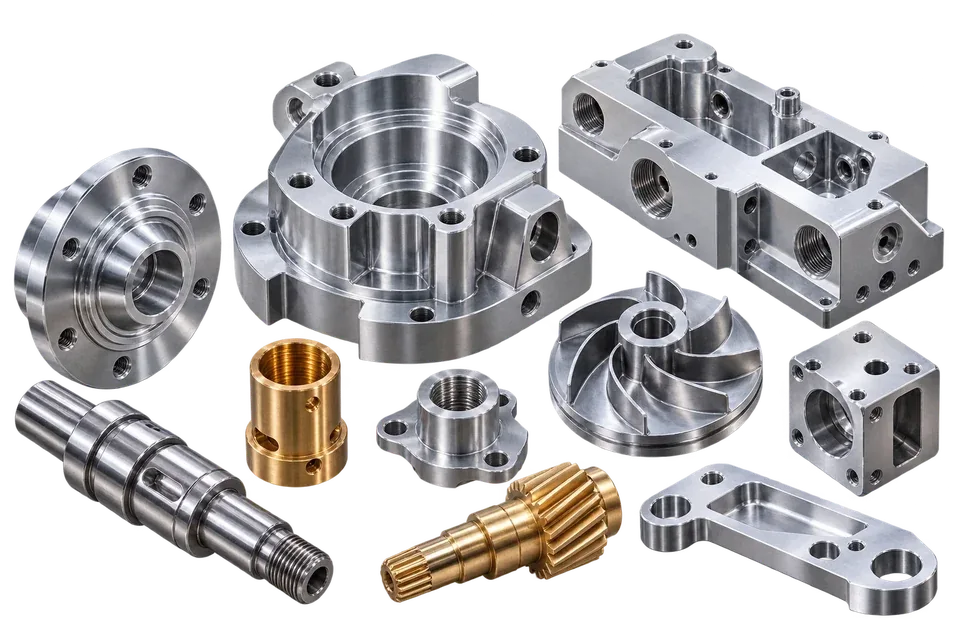
Cast housings, shafts, brackets and drawing-based metal parts with material and finish defined.
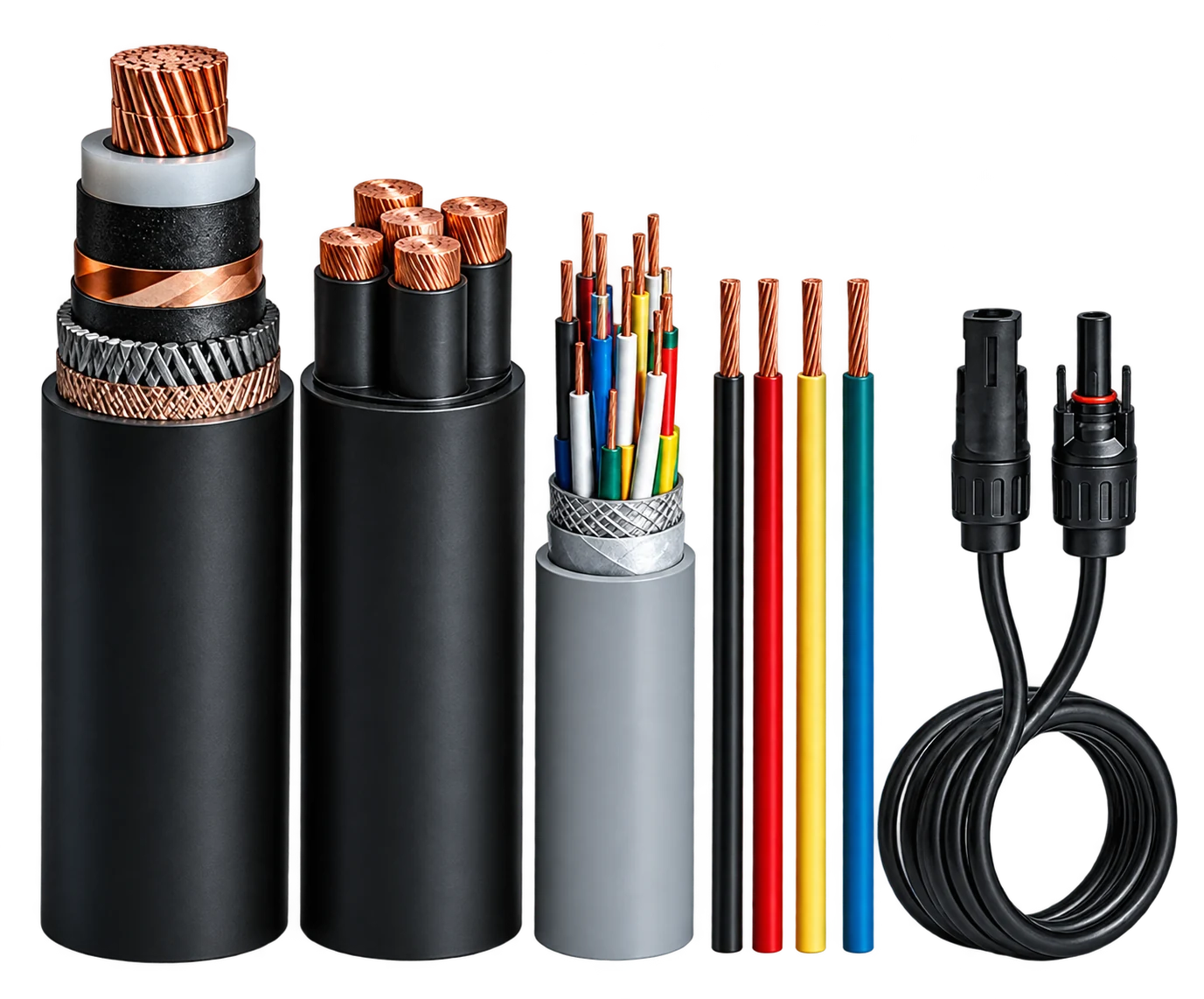
Cable requirements defined by movement, installation and environmental duty.
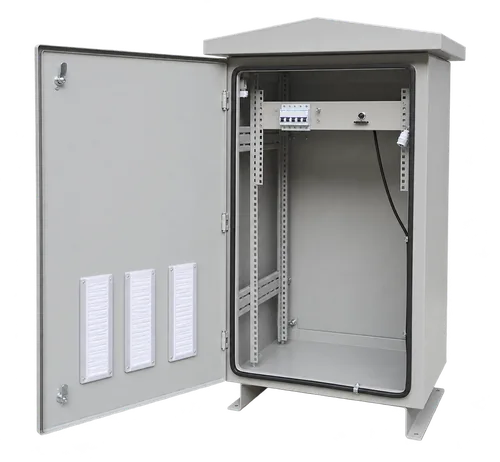
Industrial equipment reviewed against the actual configuration and supply scope.

Housings, covers and functional polymer parts with material, duty and approval scope defined.
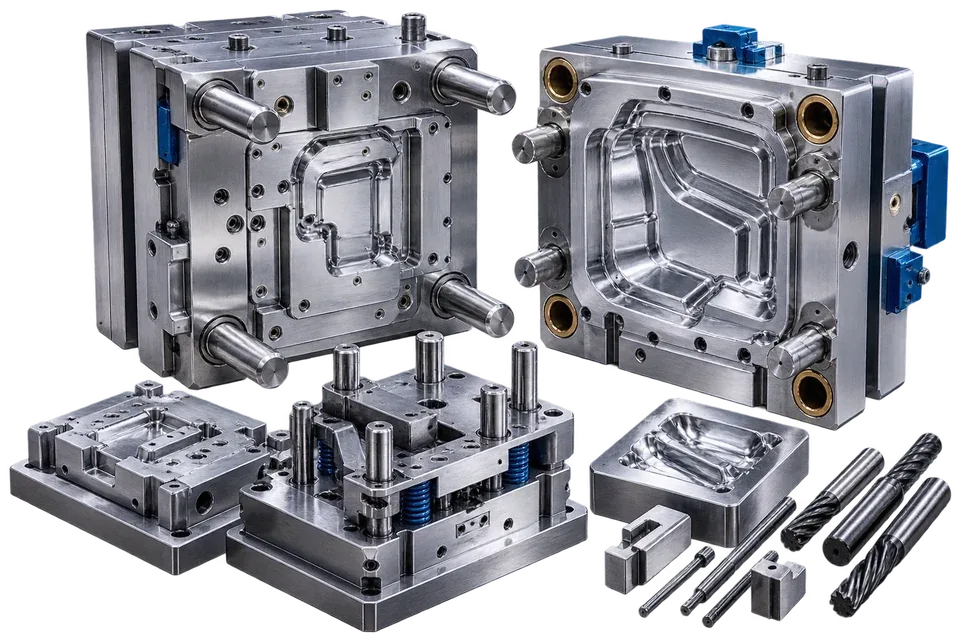
Moulds, dies, fixtures, replacement parts and assemblies coordinated around the approved brief.
Industry applications
Use the equipment or end application to explain the requirement. These examples describe enquiry scope; suitability follows the actual product, source and specification.
Components for mining equipment, conveying and associated plant requirements.
Electrical, machined and fabricated parts for industrial operations.
Conveying, handling and supporting equipment component requirements.
Parts defined by media, pressure, temperature and operating environment.
Replacement and drawing-based components with fit and duty controlled.
Electrical and engineered parts for auxiliary and maintenance systems.
Your starting point
Open the brief closest to your requirement. Establish the current technical definition, approval status and work still needed.
Describe movement, loads, abrasion, dust, outdoor exposure and maintenance conditions. Include drawings and equipment references.
Identify contact media, concentration, temperature, pressure and whether exposure is continuous or occasional. State the required compatibility evidence.
Provide the original part reference and technical definition. Record any proposed material or construction difference before reviewing interchangeability.
A shared basis for review
Compare the specification, offered configuration and supporting evidence together. Record technical differences and required approvals before release.
| Review area | Information to provide | What to establish |
|---|---|---|
| Environment | Temperature, dust, weather, chemicals and contact duration | Material or construction assumptions and required evidence |
| Mechanical duty | Loads, movement, abrasion and installation constraints | Critical features and agreed verification methods |
| Special conditions | Hazardous-area or other application-specific requirements | Exact certification and configuration scope, where required |
| Maintenance supply | Part identity, revision, timing and interchangeability | Approved replacement basis and delivery scope |
Representative enquiries
Start with the information available. These examples show which technical and commercial details help the manufacturer review the scope.
Part identity, drawing/sample, material, interchangeability and required validation.
Drawing, metal grade, dimensions, welding, finish and acceptance criteria.
Construction/compound, media, temperature, abrasion, movement and required evidence.
Approved specification, planned quantities, maintenance dates, packing and delivery scope.
From application to agreed supply
A shared technical and commercial brief helps each source review the same requirement and keeps approval decisions traceable.
Review drawings, specifications, application, material and expected quantities.
Review the process, tooling, capacity, quality requirements and commercial assumptions.
Agree sample checks, material/function evidence, technical changes and production release.
Coordinate production follow-up, agreed inspection, records, packing and planned dispatch.
Purchasing & inspection
The order route establishes who supplies commercially and which coordination and inspection activities are included.
Orders placed on BGS follow the agreed supply scope. Every unit is inspected against agreed criteria.
Agree the specification, inspection methods, acceptance criteria and required records before ordering.
The manufacturer supplies the buyer directly. BGS inspection and coordination are agreed separately.
Confirm scope, access, reporting, fees and release responsibilities for the engagement.
Practical buyer questions
Use the application to define the enquiry. Product suitability and the engagement scope are reviewed separately.
A photograph helps start the enquiry. Part identity, dimensions, material, service conditions and acceptance criteria may be needed to review a suitable replacement.
No. Identify the exact application and required certification. Suitability and evidence must be checked for the actual equipment, component, configuration and manufacturer.
Provide the media, concentration, operating temperature, pressure where relevant and contact duration. State the required compatibility or validation evidence for the component.
Yes. Share the construction or reference, voltage, movement, installation, environment and required tests. Manufacturer capability and the proposed cable are reviewed for that duty.
No. Geometry, compound or grade, operating conditions, installation and validation all affect the requirement. Performance and any contractual guarantee must be expressly agreed.
Start your industry enquiry
Share the technical and commercial information available today. BGS will review the brief and clarify the next sourcing, development or supply step.
MOQ, price, sample costs, lead time and required evidence are confirmed for the specific product and agreed scope.
Your analytics choice
With your permission, BGS uses Google Analytics to understand page visits, email clicks and successful RFQ submissions. Your enquiry text and documents are not sent to analytics. You can use the website without optional analytics.