
Equipment wire harnesses
Harnesses, connections, terminals and protected equipment wiring.

HVAC & Appliances · India sourcing
Component and assembly sourcing from India for HVAC, appliance and equipment manufacturing.
Coordinate wiring, housings, seals, profiles and metal parts around the equipment design. BGS connects the BOM, materials, interfaces and sample feedback to the selected manufacturing route.
Start with the information you have. Mark open inputs as “to confirm”.
Products follow the application
These categories provide starting points for manufacturer evaluation. Availability and suitability are confirmed for the actual product and scope.
Harnesses, connections, terminals and protected equipment wiring.

Moulded covers, housings, clips and functional components against the drawing.

Elastomer components with fit, exposure and material requirements defined.

Brackets, covers, panels and metal components for equipment assembly.
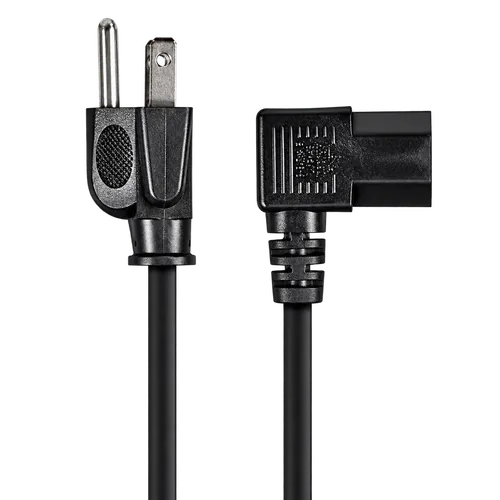
Defined plug, cable, connector, electrical rating and destination-market requirements.
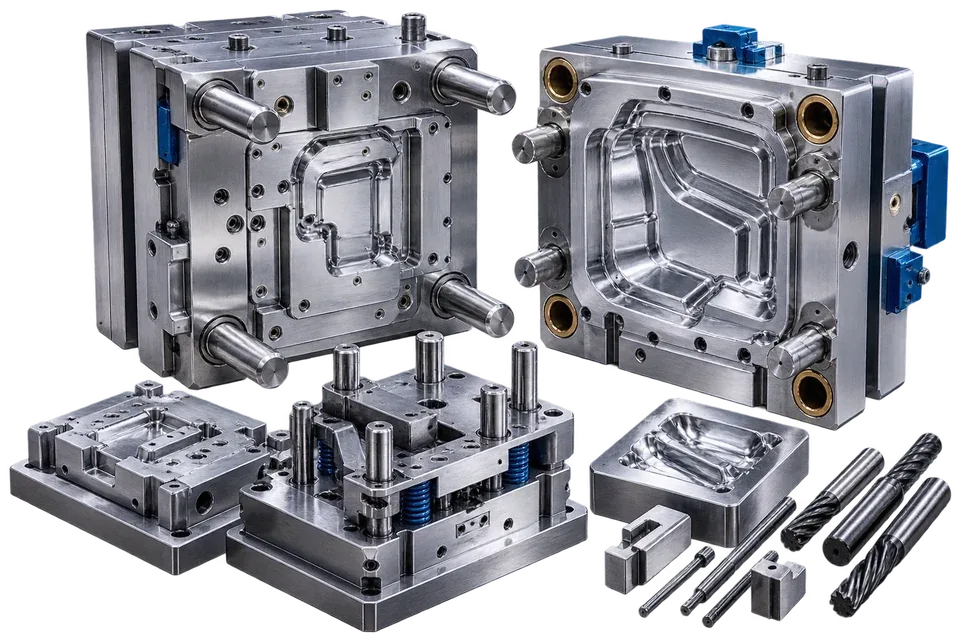
Injection moulds, die-casting dies, press tools, jigs and fixtures linked to part approval.
Industry applications
Use the equipment or end application to explain the requirement. These examples describe enquiry scope; suitability follows the actual product, source and specification.
Wiring, moulded parts, seals, brackets and equipment assemblies.
Blowers, ventilation equipment and air-handling component requirements.
Electrical and engineered parts with temperature and exposure defined.
Power cords, harnesses, housings, seals and metal parts.
Drawing-based components for electrical products and OEM programmes.
Component development, localisation and recurring production supply.
Your starting point
Open the brief closest to your requirement. Establish the current technical definition, approval status and work still needed.
Share the equipment BOM, component interfaces, materials and development stage. Identify tooling, samples and approval milestones.
Provide the current drawing, approved sample information and repeat-order requirements. Include appearance, finish and packaging criteria.
Explain the sourcing objective and the features that must remain unchanged. Proposed material, process or connector changes require the agreed approval.
A shared basis for review
Compare the specification, offered configuration and supporting evidence together. Record technical differences and required approvals before release.
| Review area | Information to provide | What to establish |
|---|---|---|
| Fit & assembly | Mounting, interfaces, routing and controlled dimensions | Fit checks and approved component revision |
| Material & exposure | Temperature, moisture, contact media and appearance | Specified material and required evidence |
| Wiring & function | BOM, pinout, connections and agreed test scope | Approved electrical definition and test records |
| Production & change | Tooling status, samples, volumes and packing | Release criteria and substitution controls |
Representative enquiries
Start with the information available. These examples show which technical and commercial details help the manufacturer review the scope.
Cable/plug specification, connectors, pinout, routing, electrical ratings and test scope.
Drawing/sample, polymer, colour, texture, finish, tooling and annual demand.
Cross-section/drawing, compound or metal grade, fit, exposure and finish.
Current part and tool status, controlled revision, sample plan and change approval.
From application to agreed supply
A shared technical and commercial brief helps each source review the same requirement and keeps approval decisions traceable.
Review drawings, specifications, application, material and expected quantities.
Review the process, tooling, capacity, quality requirements and commercial assumptions.
Agree sample checks, material/function evidence, technical changes and production release.
Coordinate production follow-up, agreed inspection, records, packing and planned dispatch.
Purchasing & inspection
The order route establishes who supplies commercially and which coordination and inspection activities are included.
Orders placed on BGS follow the agreed supply scope. Every unit is inspected against agreed criteria.
Agree the specification, inspection methods, acceptance criteria and required records before ordering.
The manufacturer supplies the buyer directly. BGS inspection and coordination are agreed separately.
Confirm scope, access, reporting, fees and release responsibilities for the engagement.
Practical buyer questions
Use the application to define the enquiry. Product suitability and the engagement scope are reviewed separately.
Yes. Send a structured BOM with drawing revisions, quantities and component requirements. Relevant manufacturing and assembly scopes are reviewed together.
A sample can provide a starting point. Material, dimensions, fit, service conditions and acceptance requirements still need to be defined for development and production.
No. State the exact product, material, test or destination requirement. Available evidence is checked for the offered component and selected manufacturing source.
The requirement can be reviewed against the controlled specification, sample status, volume and approval process. Any proposed change needs the required buyer approval.
Send the approved drawing revision, material, finish, sample reference, inspection criteria, batch quantities and packing requirements. Establish how future changes will be approved.
Start your industry enquiry
Share the technical and commercial information available today. BGS will review the brief and clarify the next sourcing, development or supply step.
MOQ, price, sample costs, lead time and required evidence are confirmed for the specific product and agreed scope.
Your analytics choice
With your permission, BGS uses Google Analytics to understand page visits, email clicks and successful RFQ submissions. Your enquiry text and documents are not sent to analytics. You can use the website without optional analytics.